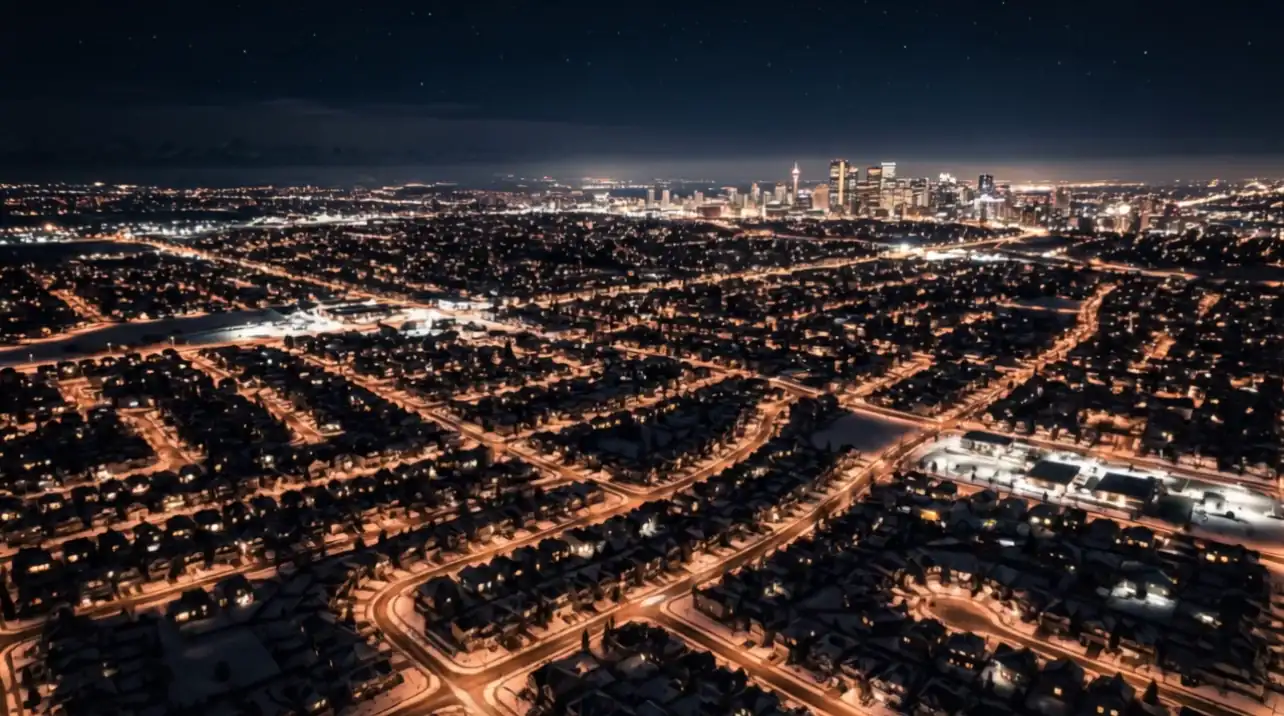
H-103
The furnace short-cycles
It's −27 °C before sunrise. The first call of the day is the one that keeps the house warm.
Request heating & HVAC ↗Introducing HAUSE · Canadian home-service network
Tell us what your home needs. HAUSE reviews your request and confirms local service availability and provider details for your job.
H-000 Section through a Calgary home
Roof to slab, a house is five layers of systems made by different trades. Explore the work at each layer and tell us what you need. Each marks a system you can ask about.
Levels Pick a floor
Drag to turn the house · tap a floor to select it
Tour Step inside
From the street it is siding and a porch light. Inside, every room belongs to somebody's trade. Switch the walls to glass and the house shows its work.
Ask about anything in the house ↗Pot lights and circuits overhead, a range and hood on the back wall, supply lines behind the island. The main floor is where installs and upgrades start.
Request electrical ↗The bathroom is where most leaks begin: the supply stops, the tub trap, the vent fan. The bedrooms are where windows, insulation and drafts show up.
Request plumbing ↗Furnace, water heater, panel and sump: the four machines that keep a Calgary winter outside. If one is older than your last renovation, ask.
Request heating & HVAC ↗Systems Inside the walls
Power comes off the pole, through the meter and into the panel, then splits into every circuit in the house.
Request electrical ↗City water enters at the main shut-off and feeds the heater and every fixture. Drains fall by gravity to the sewer lateral.
Request plumbing ↗The furnace pushes warm air through the trunk to every register and pulls it back through the return.
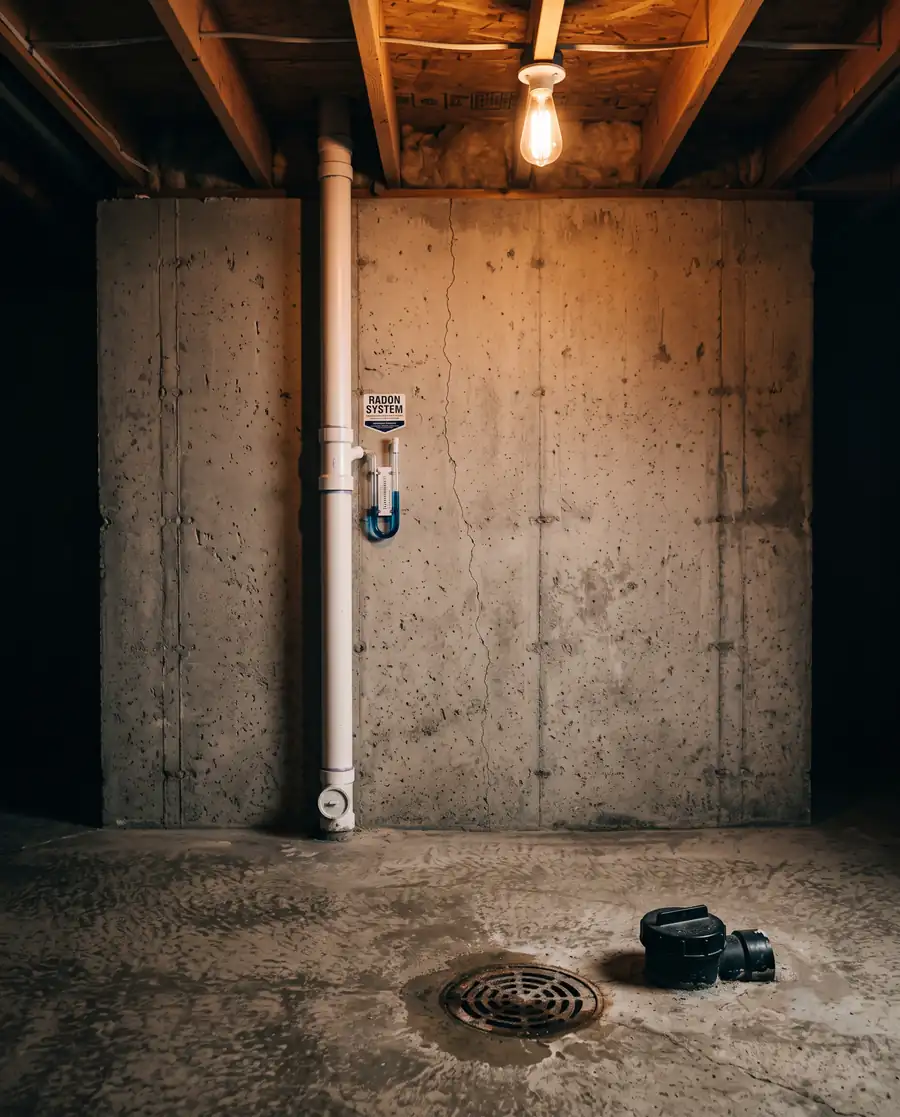
Request heating & HVAC ↗Radon rises from the soil. A mitigation fan pulls it from under the slab and vents it above the roof. Health Canada's guideline is 200 Bq/m³.
Request radon testing ↗Switch to thermal. The bright bands at the floor lines are heat escaping at the rim joists. Window frames and the attic follow.
Request an energy check ↗Below grade A section through the lot
Topsoil, clay, gravel. Everything the house depends on runs through the first three metres of it, and nobody sees any of it until something fails.
Ask about what is under your lot ↗Both arrive from the street. Water at about 2.4 m, gas at 1.3 m, each ending at a shut-off you should know how to find. Poly-B, lead and frozen services all fail here.
Request plumbing ↗Every drain falls to a lateral that runs back to the lane main. Roots are the first cause of a blocked line, and a camera scope shows them before the basement does.
Request a sewer scope ↗Weeping tile gathers water at the footing and sends it to the sump. One crack, a clogged tile or a dead pump, and the basement finds out first.
Request a foundation check ↗Soil gas rises through the same ground and the warm house draws it in. A pit under the slab, a fan and a stack send it above the roof.
Request radon testing ↗H-101 · 1 of 6 The 200 A panel
Everything electrical in a home starts at one grey box in the basement. Keep scrolling and the camera goes inside it: the main, the buses, the breakers that feed a kitchen, a charger, a hot tub.
Request electrical ↗The utility's side ends at the meter socket. From the weatherhead down, the mast, the socket and the service entrance cable are yours, and a 100 A socket is the first thing a 200 A upgrade replaces.
Request a service assessment ↗One two-pole breaker sets the limit for the whole house. Homes built before 1980 often have 60 or 100 A behind this cover. Heat pumps, chargers and suites are why 200 A is now the common upgrade.
Request a panel upgrade ↗Two copper buses carry 120 V each. Breakers clip on and split the house into circuits: 15 A for plugs and lights, 20 A for kitchens and baths, 30 to 60 A for the big appliances. Full panels get sub-panels, not tandems.
Request wiring ↗A 40 A range, a 50 A EV charger, a 60 A hot tub with its own GFCI. Each needs a dedicated two-pole breaker, the right gauge of cable and a permit. Together they are what pushes a 100 A service over the line.
Request an EV or hot tub circuit ↗Aluminum branch wiring from 1965 to 1978 needs rated connectors or copper pigtails at every device. Bedrooms need AFCI, wet areas need GFCI, and every breaker should match its wire. The panel tells the story of the house.
Request an electrical inspection ↗Switch loads on and off and watch the gauge in the panel.
Request a load calculation ↗H-105 · 2 of 6 Roof and attic
Calgary sits in Canada's hail corridor. Bruised shingles lose their granules and fail years early. Photograph the roof, the vents and the siding straight after a storm; the claim is easiest while the damage is fresh.
Request a roof inspection ↗Heat leaking into the attic melts the snow from below. The water refreezes over the cold eave, builds a dam and backs up under the shingles. The fix is almost never on the roof: it is air sealing and insulation below it.
Request an attic check ↗In a cold snap, moist house air frosts on the underside of the deck and on every nail tip. A chinook thaws it all at once and it rains inside the attic. Bath fans, dryer vents and ceiling leaks are the usual sources.
Request an attic rain assessment ↗About 400 mm of insulation reaches R-50, but only if the air leaks below it are sealed first. Soffit vents in, ridge vent out, baffles to keep the channel open, and every fan duct ending at a roof cap instead of in the insulation.
Request insulation and air sealing ↗Gold-brown, pebbly attic insulation from before 1990 may contain asbestos. Do not disturb it. Sample, test and plan abatement before anyone adds insulation or runs new wiring through it.
Request asbestos testing ↗A newer roof with a clear south or west face is the moment to assess solar, before the next re-roof. Calgary issued thousands of solar permits in the last three years, and every array ends at the same panel in the basement.
Request a solar assessment ↗Fogged glass, cold frames and rotten sills show up on the same wall the ice dam drips down. Window replacement, siding and decking are the exterior jobs that finish the envelope.
Request a window quote ↗H-109 · 3 of 6 The sewer lateral
Every drain in the house falls by gravity into one lateral that runs under the yard to the city main. It is yours to the property line. HAUSE Sewer is 40-plus sites about that one pipe, and this drawing walks its length.
Request sewer help ↗A crawler goes in at the cleanout and records the whole run: material, joints, cracks, bellies, roots and where the line meets the main. Before buying a house, before digging, and before accepting any quote.
Request a sewer scope ↗Clay tile laterals from before 1980 have a joint every 60 to 90 cm. Roots find the water vapour at a joint, grow in, and catch everything that follows. The first sign is usually the lowest drain gurgling.
Request root cutting ↗A cable auger cuts a hole through a blockage. A hydro-jet nozzle at 4,000 psi pulls itself up the line and scours the pipe wall clean. Which one depends on the pipe material and what the camera found.
Request drain cleaning ↗Two ways to get a new pipe without digging up the yard. A resin-soaked liner is inverted into the old pipe and cured in place. Or a bursting head splits the old pipe while it pulls new HDPE behind it. Both need a camera before and after.
Request trenchless options ↗Collapsed pipe, a bad belly or a new infill build means open-cut: a trench to the main, new PVC on gravel, and a permitted connection at the property line. Written scopes make the quotes compare like for like.
Request a replacement quote ↗Two more pipes share the same trench. The water service freezes, bursts or is grey Poly-B. The weeping tile at the footing silts up, and the sump that drains it has to work on the night it rains.
Request plumbing ↗H-107 · 4 of 6 Radon
Uranium in the soil decays to radium, then to radon gas. The warm house draws it up through slab cracks, the wall-to-floor joint and the sump. No smell, no colour, and the second leading cause of lung cancer in Canada.
Request radon testing ↗An alpha-track detector on the lowest lived-in floor for 91 days in heating season. Health Canada's guideline is 200 Bq/m³. Prairie homes test high more often than most of the country, and the only way to know is the test.
Order a long-term test ↗A core through the slab, a small pit in the gravel below it, and a 100 mm PVC riser. The fan creates a vacuum under the whole floor, so the gas goes to the pipe instead of the house. Cracks and the sump lid get sealed so the vacuum holds.
Request a mitigation quote ↗An inline fan draws 50 to 90 W, runs for years, and sits in the attic or outside so any leak is downstream of the living space. The exhaust ends above the eave, away from windows. A U-tube manometer on the riser shows it is pulling.
Request a fan replacement ↗A C-NRPP certified mitigator retests after the system runs. Most homes drop below 100 Bq/m³. Calgary, Edmonton, Airdrie, Cochrane and Okotoks each have a HAUSE radon site, and the national ones cover the rest.
Request a post-mitigation test ↗H-117 · 5 of 6 After the disaster
A burst supply line puts 20 litres a minute on the floor. Shut off the main, kill power to the area, move what you can, and photograph everything before the first wet thing leaves the house. The insurer will ask.
Request emergency water cleanup ↗When the lateral backs up, the lowest drain is the one that overflows. This is category 3 water. Everything porous it touched goes out, and the sewer line that caused it gets scoped before the floor goes back in.
Request sewage cleanup ↗The fire is out in minutes. The smoke keeps working for days: soot settles on every surface above the fire, acids etch glass and metal, and odour soaks into drywall and ducts. Sprinklers, where they exist, change the whole story.
Request fire restoration ↗Wet drywall grows mould in 48 to 72 hours. Past a few square metres it means containment, negative air and HEPA scrubbers. Chemical, biohazard and industrial cleanups follow the same rules with different gear.
Request mould remediation ↗Textured ceilings, 9×9 floor tiles, pipe wrap and vermiculite from before 1990 are tested before anyone swings a hammer. Alberta requires it on most renovation and demolition work. A lab result costs less than a stop-work order.
Request asbestos testing ↗Air movers and dehumidifiers for three to five days, moisture readings on the framing, then the trades come back in order: drywall, paint, floors, trim, a deep clean. Six weeks from the hour-zero photo to the finished room.
Request restoration ↗H-111 · 6 of 6 Twenty-five years, five verbs
Crated, levelled, gas and venting connected, permit closed. First-time additions are their own trade: the right opening, the right circuit, the right drain, before anything is unboxed. Installing.ca owns the day-zero jobs.
Request an installation ↗A filter every three months, a tune-up every autumn, ducts cleaned when the renovation dust settles. The cheapest years in a furnace's life are the ones somebody looked after. Maintaining.ca is the calendar.
Request a maintenance visit ↗The furnace still works, so make it work better: a smart thermostat, a cold-climate heat pump beside it, a bigger panel to feed it. Upgrading.ca is 200 named improvements to a home you are keeping.
Request an upgrade ↗The tank rusts at the base one winter morning. Out with the 189 L tank, in with a tankless unit on the wall, or a new tank sized for the family. Replacing.ca and a dozen water-heater and furnace sites cover the swap.
Request a replacement ↗Disconnect, cap the gas, drain, dolly it out the door, recycle the steel. Removal is a trade with its own hazards and its own site. The space it leaves is where the next idea starts.
Request a removal ↗The basement becomes a legal suite. Asbestos test, permits, selective demolition, a bin in the driveway, and the whole cycle starts again with a new install. Demolishing.ca plans the strip-out so the rebuild has somewhere to go.
Request demolition planning ↗24 h A winter day in a Calgary home
05:30
H-103
It's −27 °C before sunrise. The first call of the day is the one that keeps the house warm.
Request heating & HVAC ↗12 months One house, four climates
Winter
−35 °C to +5 °C
S-1 · Dec to Feb
Network From one house to the whole street
Every house here has the same hidden systems. Explore HAUSE's specialist sites, then bring your job details together in one request. Local coverage is confirmed for your location and scope.
0specialist sites
in the network
Standard Your homeowner checklist
A clear scope and current credentials help you choose with confidence. Use this checklist to discuss licensing, insurance, workers' compensation, permits and references before agreeing to work. Provider details and service coverage are confirmed for each request.
Ask which licences or certificates apply to your work, who issued them and whether they are current. Include relevant trade details in your request.
Ask for current liability insurance documentation. Review the insured business, policy dates, limits and coverage for the work you are considering.
Discuss the coverage that applies to the provider and your project. Ask for current WCB, WorkSafeBC or WSIB clearance where relevant.
Confirm which permits the job needs, who will obtain them and how inspections will be handled. Include these details in the written scope.
Look for feedback about jobs like yours, including communication, workmanship and how the provider responds when questions arise.
Ask for examples and recent references that fit your project. A conversation about comparable work can help clarify the approach and expectations.
Review the dates on licences, policies and clearance documents before the project starts, especially if the schedule changes.
Credentials to discuss for your trade
Request Keep the details together
Tell us about your home, the work and your timing. HAUSE reviews the request and confirms service availability. For questions about your request, contact info@hause.ca.
No obligation · Coverage confirmed for your request
X-ray Behind the drywall
Move across the wall. X-ray shows the wiring, pipes and ducts a trade will open up. Thermal and moisture show where heat leaks and water hides. Load shows which circuit is about to trip. This is what a HAUSE pro looks for first.
Point at the wall. The lens roams on its own when you're not.
Home age What to check first
Every era of Canadian housing left its own materials behind the walls. Slide to your home's year to see what's worth checking.
Typical eras for Canadian homes. Renovations change the picture; a HAUSE specialist confirms on site.
Roof to slab Where the work happens
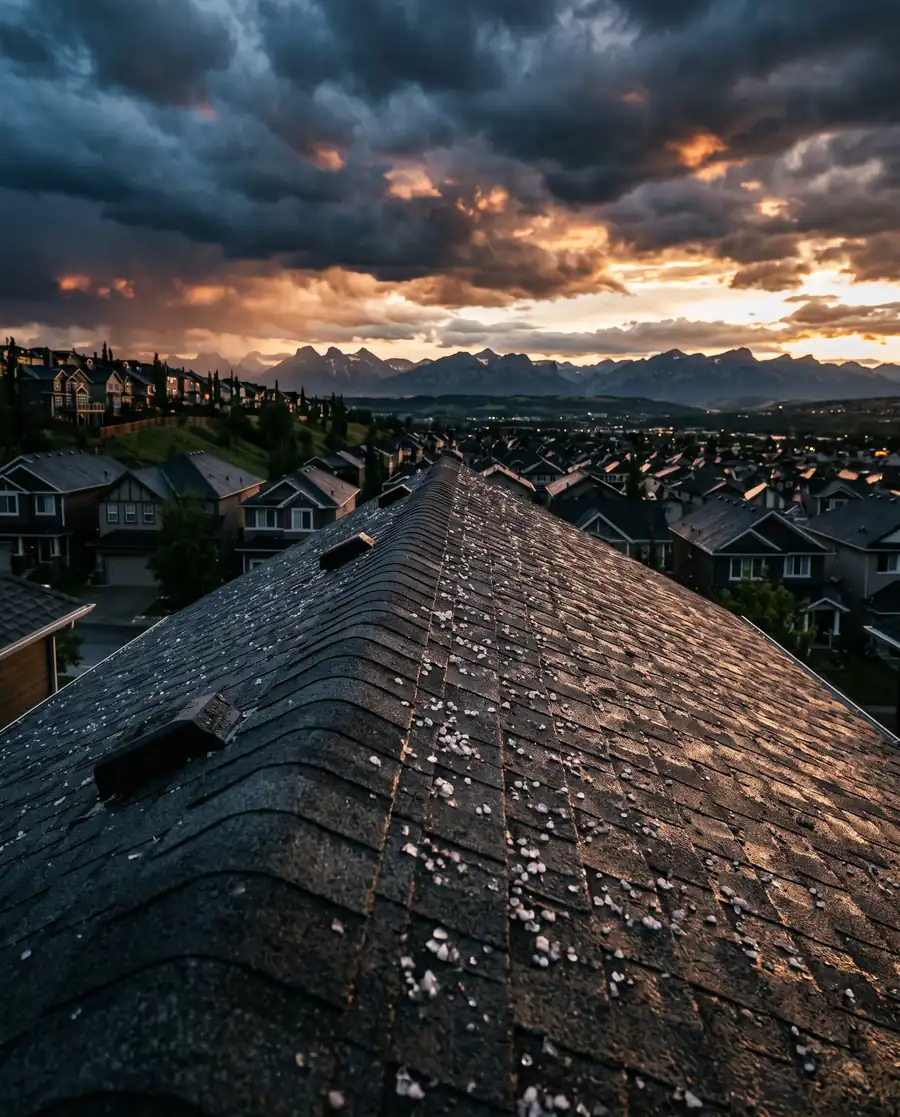
Hail, ice dams and flashing. Photograph damage before repairs start.

35,704 electrical permits were issued in Calgary in 2025.
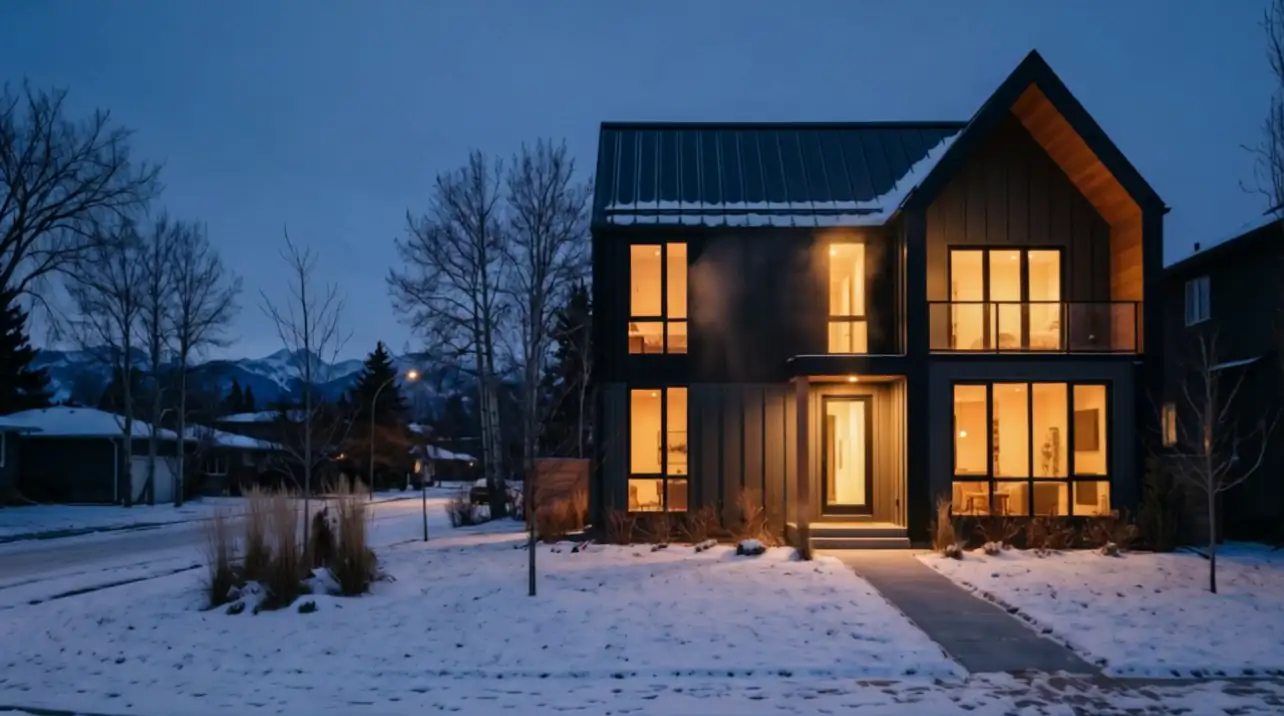
Every window lit is a system running. HAUSE covers every one of them.
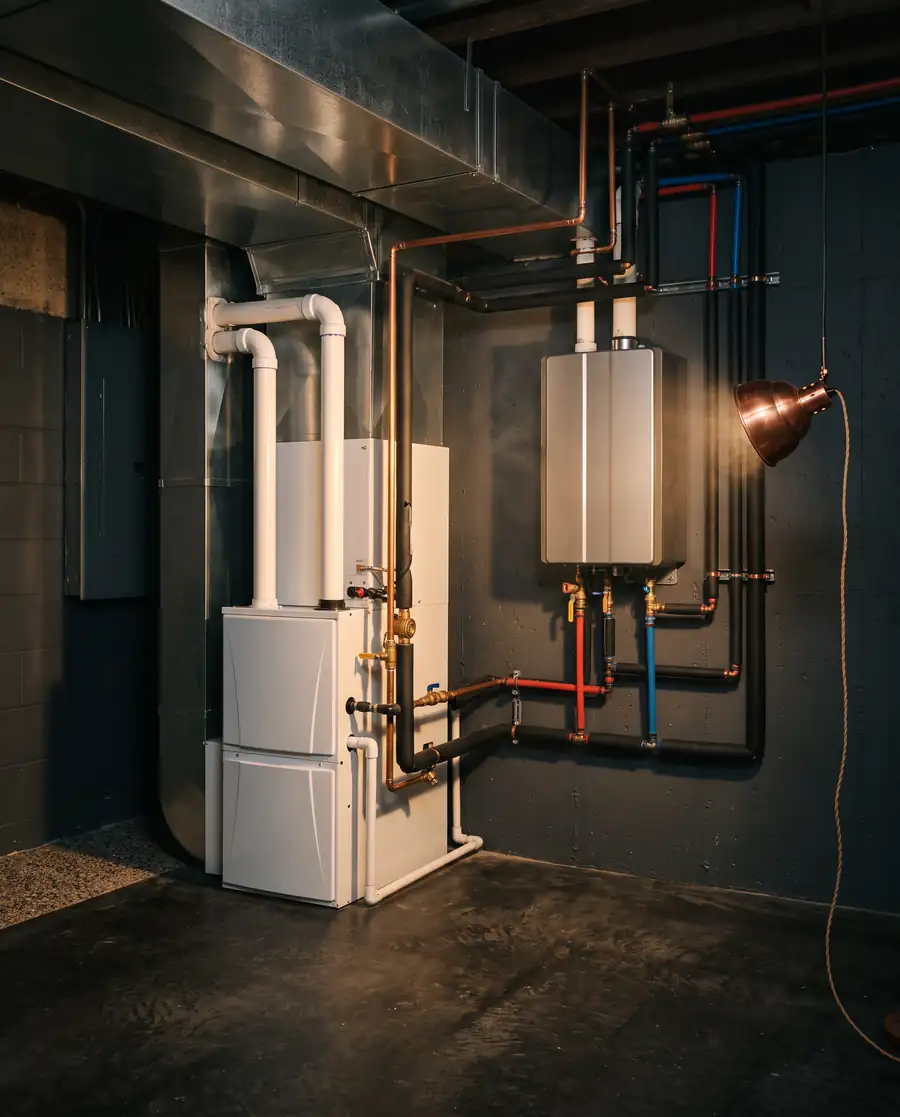
Furnaces and water heaters work hardest at −30 °C.
Health Canada's radon guideline is 200 Bq/m³. Test for three months.
YYC Electrical permits · City of Calgary open data
Calgary rewires itself every year. Choose a layer to see how much of that work there is. Each lit point stands for about twenty permits.
Totals: City of Calgary, Electrical Permits and Inspections open data. Point positions are schematic. Explore the permit data on CalgaryElectricians.ca ↗
Index Drawing list
HAUSE is the network for everything a home needs done. Install it, upgrade it, replace it, take it away or keep it maintained. Five verbs, 637 named jobs. Pick the closest match and the intake team sorts out the rest.
Job finder 637 named jobs
Every named job on installing.ca, maintaining.ca, upgrading.ca, replacing.ca and removing.ca, searchable here. Pick one and the request form fills in the category.
Load schedule How to describe urgency
This form is not an emergency dispatch service. For a suspected gas leak, fire or immediate hazard, leave the home and call 911.
Network Specialist destinations
People search for the problem, not the trade. HAUSE runs a specialist site for each one, from radon fans to trenchless sewer repair to demolition. 142 are live today and 130 more are owned and in build. All of them answer to this one network.
142 live · 130 in build · 18 categories
Live siteIn build: owned, not yet published
No site matches that yet. Tell us what you need on the request form and we will route it.
HAUSE is part of AINT. Every site above belongs to the HAUSE network.
Request HAUSE intake
Tell us what's going on. HAUSE reviews the request, confirms your scope and checks local service availability. Provider details are confirmed for your request. You decide whether to go ahead.
Privacy questions: info@hause.ca
Your request is queued for the intake team. Response time depends on your location and the work.
Reference:
Questions? Email info@hause.ca with your reference.